
Magic 2S responds exactly to our business needs, it is easy to use and has never had any problems.


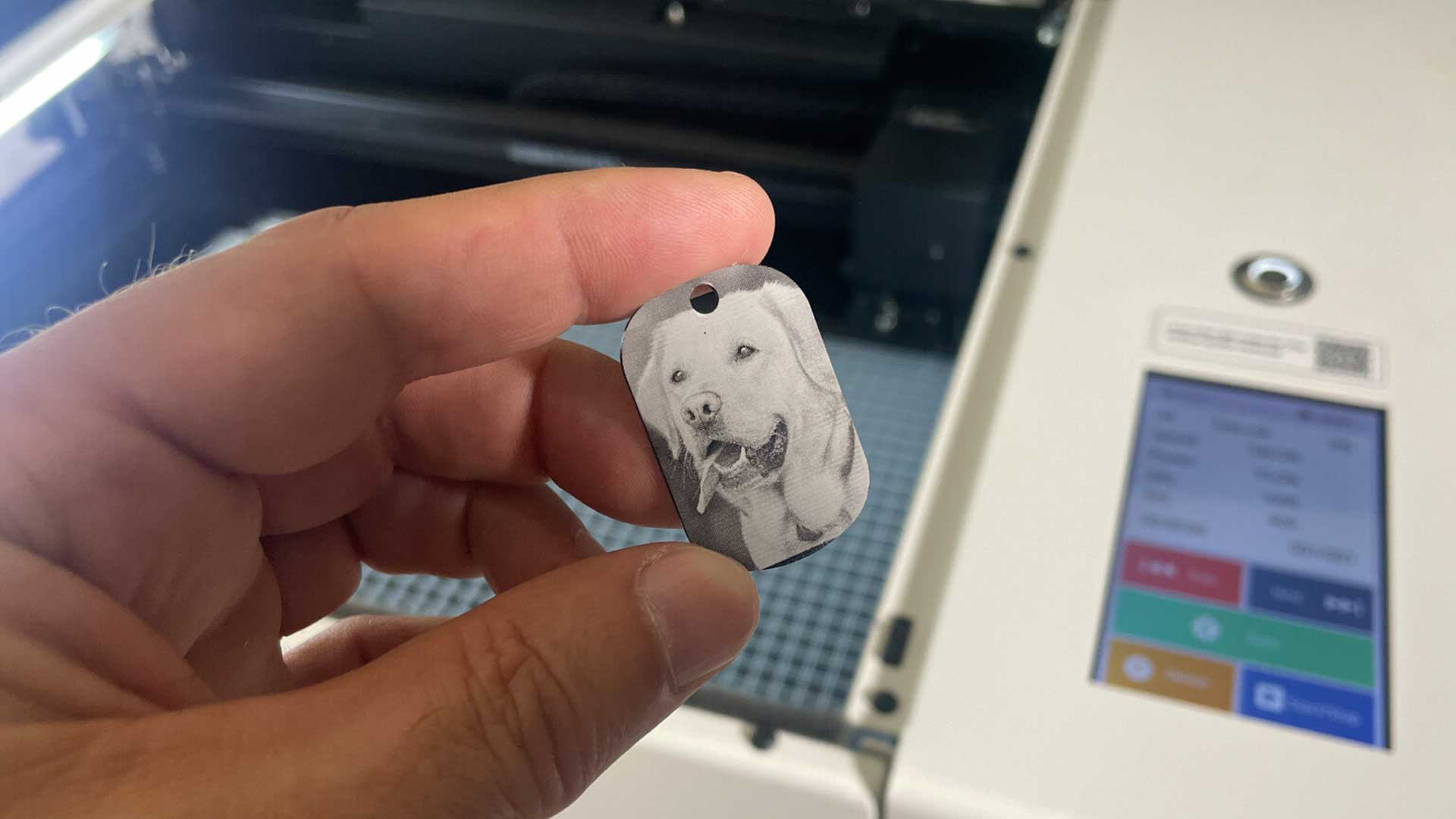
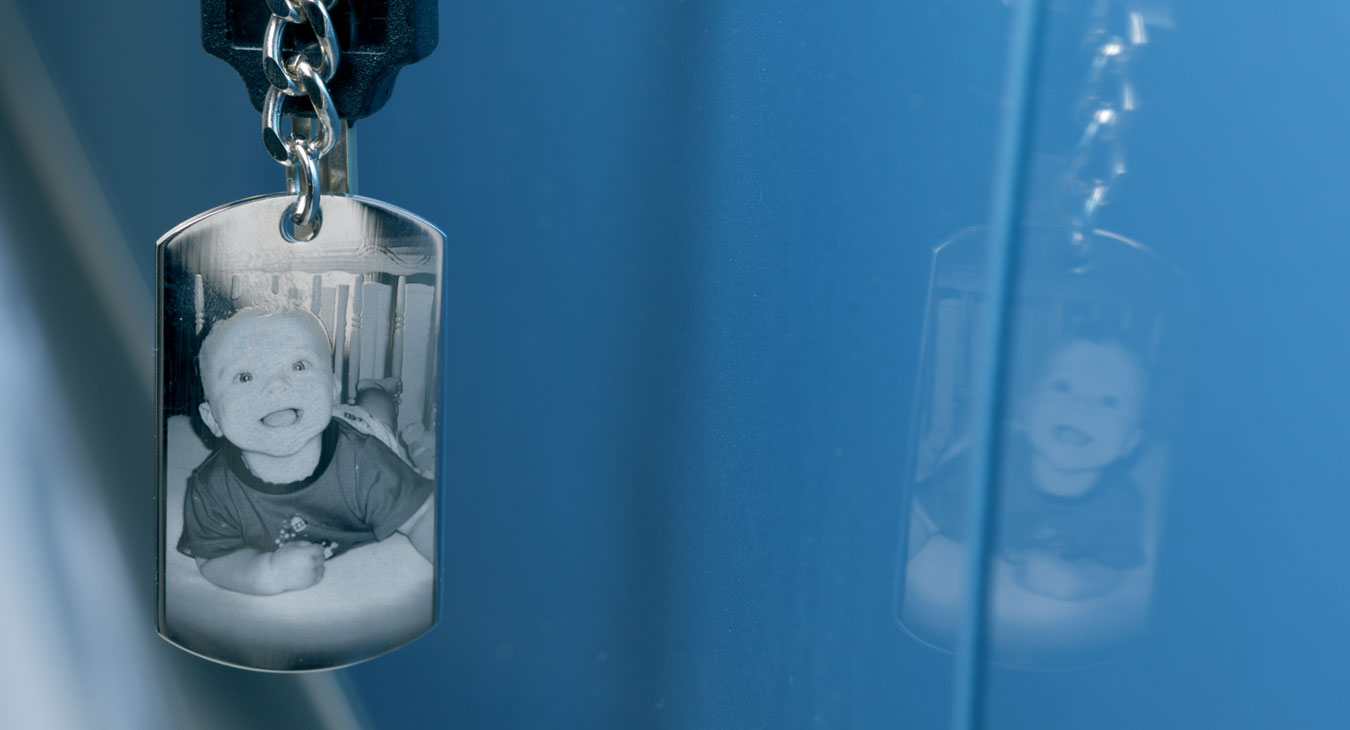
Photo-engraved tags are among the most emotional and meaningful applications in the personalization industry. A photograph can transform a simple tag into a lasting memory, a tribute, a gift, or a commemorative piece that accompanies someone for many years.
Whether it features a beloved pet, a family member, a special moment, or a personalized gift item, the true value of a photo tag lies not in the material itself, but in the story the image tells.
Many people assume that the final result depends mainly on the machine being used. In reality, the technology is only one part of the process. The quality of the photograph, image preparation, material selection, and engraving parameters all influence the final result just as much as the machine itself.

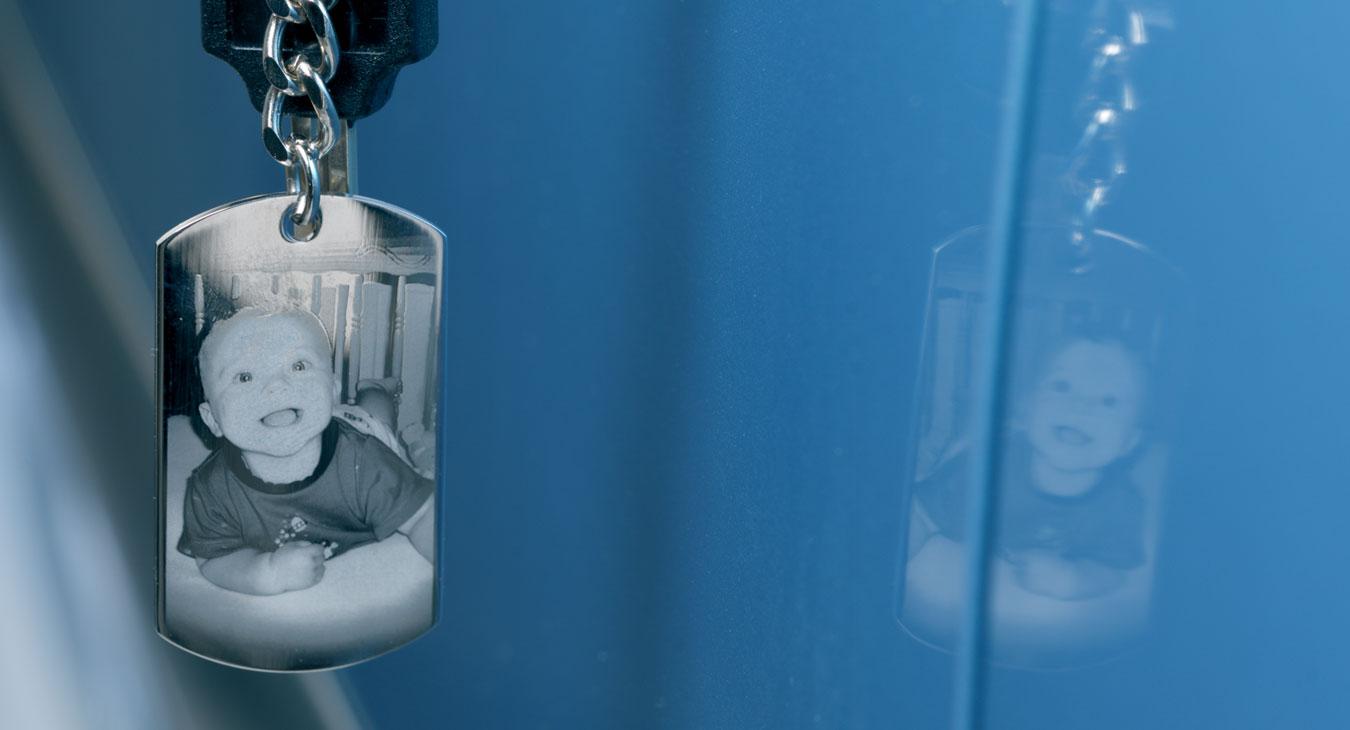

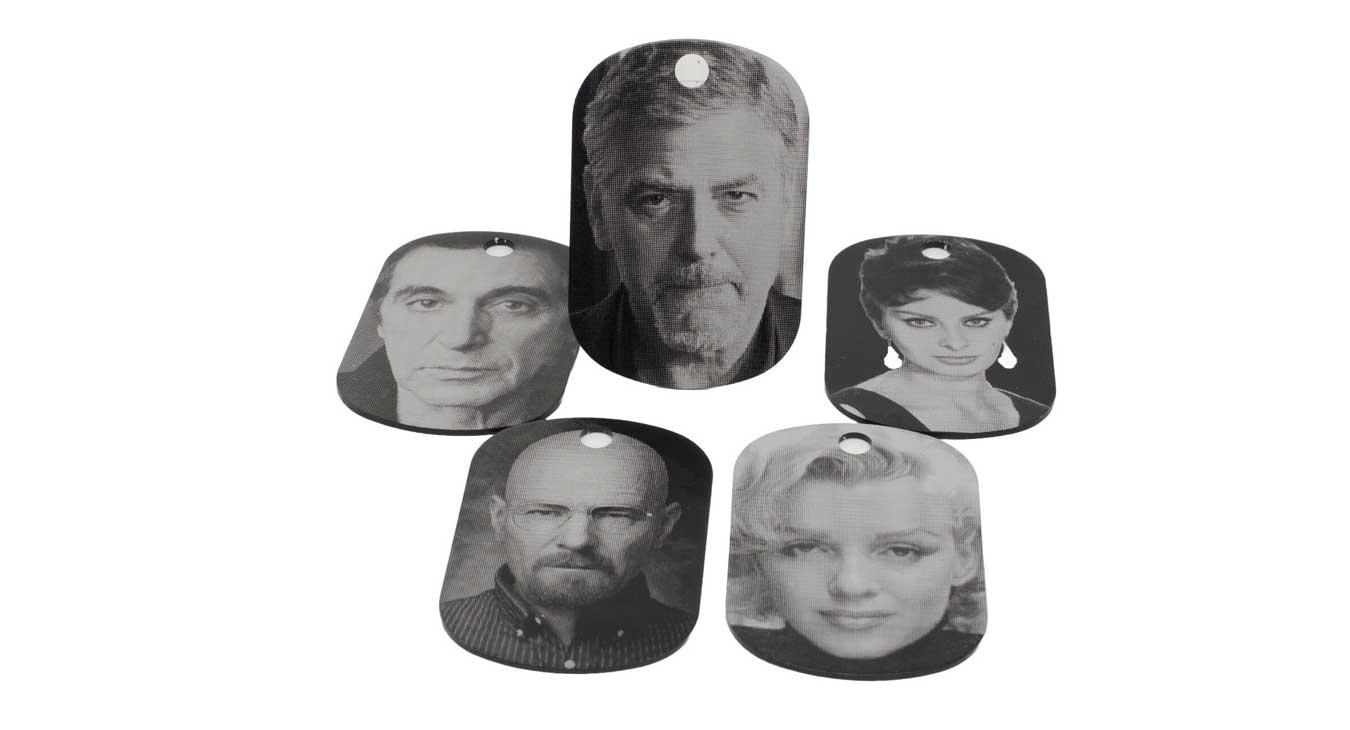


A high-quality photo tag is not created simply by pressing a button. The very same photograph, engraved on the same machine and the same material, can produce outstanding, average, or even disappointing results. The difference lies in image preparation, experience, and the ability to correctly transform a photograph into a photo engraving.
A great photo engraving is not created by the machine alone. Above all, it is the result of a proven method.
There are many technologies available for photo engraving, including mechanical engraving, laser marking, dot-peen engraving, and other specialized processes. Each technology delivers different results on different materials. There is no universally superior technology—only the technology best suited to the desired result. Selecting the right solution is where experience makes all the difference.
Photo-engraved tags are widely used for jewelry, commemorative items, keychains, personalized gifts, and fashion accessories. A photograph adds an emotional value that simple text engraving cannot provide.
The quality of the original photograph directly affects the final result. Contrast, sharpness, lighting, and composition can determine the success or failure of a photo engraving project.
Photo engravings can be produced on anodized aluminum, stainless steel, brass, plastics, and many other materials. Each material reacts differently and requires specific techniques and engraving parameters.
Many engraving technologies are suitable for photo reproduction, including both laser and mechanical systems. Some prioritize detail, others speed, and others unique aesthetic effects. There is no single best technology—only the one that best matches the material, application, and desired result.
This specialized form of dot-peen engraving, implemented on the MPX-90S photo engraver, is one of the most interesting technologies for reproducing photographs on stainless steel and polished metals. The result is bright, elegant, and highly appreciated for photo tags, jewelry, and commemorative products. It offers a relatively low investment cost, although the achievable contrast is generally lower than that of the best laser technologies.
CNC engravers, such as the Magic S3 and Magic E7, can create deep and permanent photo engravings with very low operating costs. They are particularly suitable when a tactile engraving or a three-dimensional effect is desired. The trade-off is longer production times and a lower level of detail compared to the most advanced laser solutions.
Fiber laser systems, such as the Magic L3 or GCC Spirit PRO, deliver high contrast, excellent definition, and very short production times. They are especially suitable when the goal is to reproduce as many details as possible from the original photograph. However, the finish tends to be more matte than that produced by mechanical engraving technologies.
CO₂ laser systems are among the most versatile engraving technologies available and can process a wide variety of materials, including many non-metallic substrates. Models such as the GCC E200SM and Spirit PRO Hybrid significantly expand the range of photo engraving applications. For some metals, however, special materials or surface treatments may be required.
The same photograph can produce dramatically different results depending on the selected parameters. Resolution, dot density, engraving speed, contrast, and image preparation are all critical factors in achieving a high-quality result.
Photo engraving is one of the applications where the operator's experience has the greatest impact on the final outcome. Two people using the same machine can achieve completely different results. This is why training, practice, and methodology are essential.
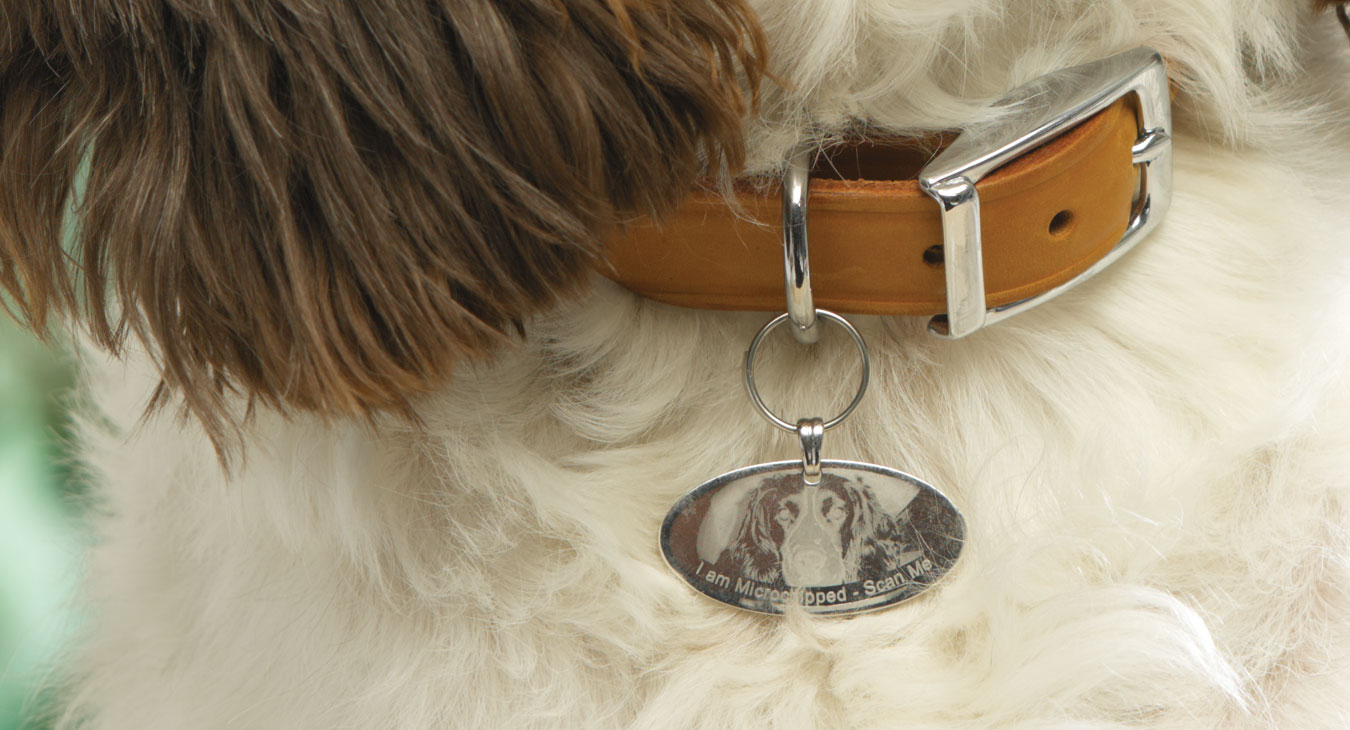
Photo engraving is used across a wide range of industries, including gift items, pet tags, personalized jewelry, commemorative products, promotional merchandise, and fashion accessories. The customers and materials may vary, but the objective remains the same: transforming a photograph into a unique and meaningful object.
PCube does more than supply technology. We help customers understand how to properly prepare photographs, select the most suitable materials, and optimize engraving parameters. A great photo engraving is the result of technology, experience, and method working together. This is the knowledge we share through training, technical support, and application consulting.
There is no single best technology for creating photo-engraved tags. Each technology produces different effects and may be more or less suitable depending on the material, the photograph, and the desired final result.
Only partially. The final quality also depends on the original photograph, image processing, the material being engraved, and the engraving parameters used. In many cases, the difference between a good photo engraving and an exceptional one comes down to the method applied.
Yes. Photo engraving involves a learning process. The best results are achieved through hands-on experience, testing, and proper training.
In most cases, yes. However, some images are better suited to photo engraving than others. Proper image preparation can significantly improve the final result, while identifying and rejecting unsuitable photographs can be just as important in achieving a high-quality engraving.Fornisci il tuo feedback su BizChat
Extremely important. In many photo engraving applications, image preparation has a greater impact on the final result than the engraving technology itself. Contrast, detail enhancement, and image conversion are fundamental factors in achieving a high-quality photo engraving.
Yes. Providing the technology is only part of our job. Through initial training, technical support, and educational resources, we teach customers how to properly prepare images, choose the most suitable materials, and optimize engraving parameters.
Photo engraving requires both experience and method. You probably won't achieve your best results on the first day—and perhaps not even during the first week. However, if you're willing to learn, listen, and apply the guidance provided, PCube will support you every step of the way until you achieve professional-quality results.